
Renting your first apartment in the U.S. can feel overwhelming—especially if you’re starting from scratch, have a limited budget, or no credit history.
But the truth is, it’s absolutely possible to find a place between $200 and $400/month, even if your situation isn’t ideal.
You just need to know where to look, how to move fast, and what little tricks can help you land the right place.
Start With the Right Platforms
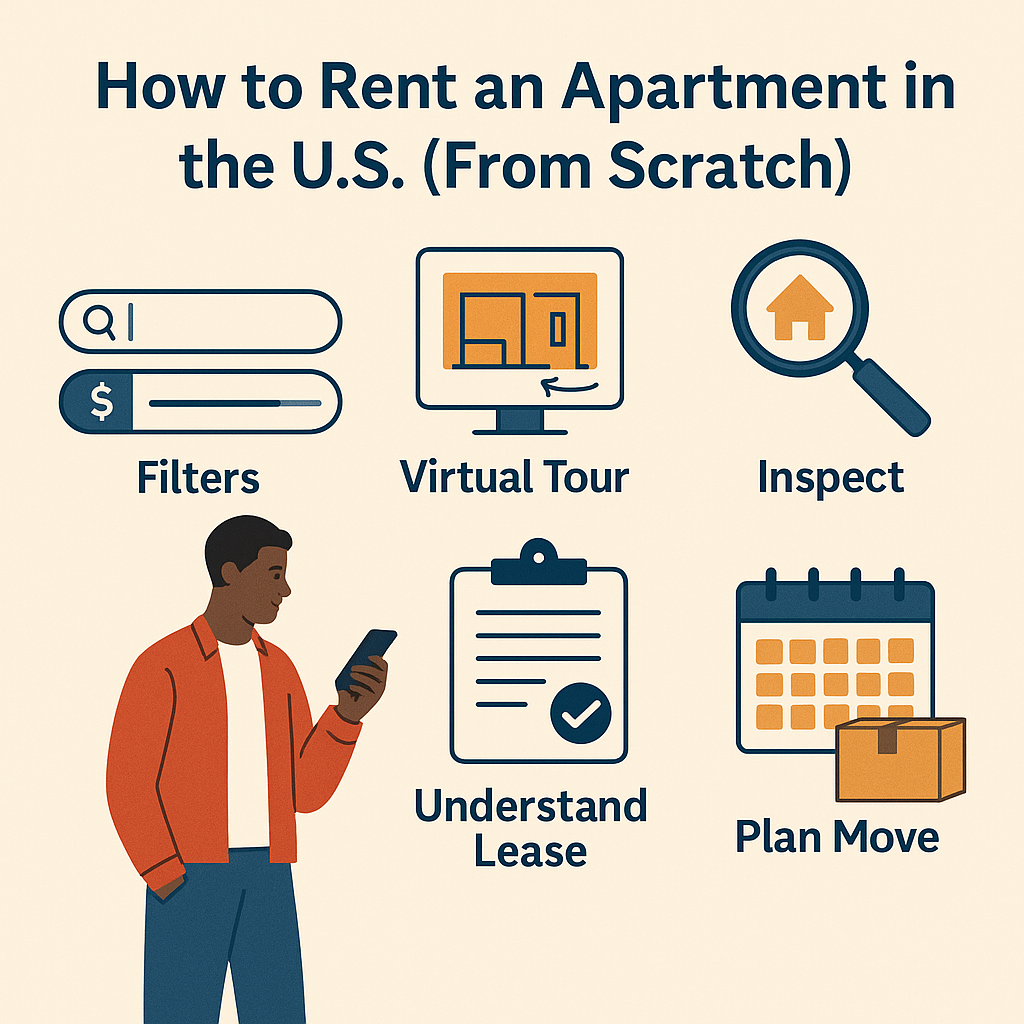
Don’t waste hours scrolling through random Facebook posts. The top rental platforms are still your best bet—but only if you know how to filter right.
Here’s where to go:
- www.zillow.com: Use their advanced filters to set max rent to $400. You can also filter for furnished units or pet-friendly spaces if needed. Bonus: set up alerts to be notified as soon as something new is listed.
- www.apartments.com: Great for seeing virtual tours and real-time availability. Look for phrases like “Price Drop,” “Move-in Special,” or “No Credit Check.”
- www.craigslist.org: This one’s trickier but can pay off big. Many landlords here don’t do background checks or require big deposits. Just be careful—avoid listings that sound too good to be true.
Searching Smart: The $400 Filter Game
Most people search casually and miss out. You want to act like a rental sniper—targeted and fast.
Start by using keywords like:
- “Studio under $400”
- “All bills paid”
- “Income-based”
- “Private entrance”
- “Room for rent”
Then filter by max rent ($400) and toggle on options like “accepts Section 8” or “utilities included” if you qualify or need that extra help. Don’t forget to check the “posted today” box—those go fast.
Tour Without Leaving Home
If you can’t visit in person, that’s okay. In 2025, virtual tours are your best friend.
Ask landlords or property managers to:
- Do a live video walkthrough (FaceTime, WhatsApp, Zoom)
- Send you updated floor plan photos
- Provide a short video of appliances, closet space, and common areas
You want to see proof that the place exists and is in decent shape. If someone refuses? Walk away.
Understand the Lease (Before You Sign Anything)
It’s tempting to just sign whatever gets you a roof fast—but that can backfire. Read your lease. If you don’t understand it, ask someone to help.
Pay attention to:
- Security deposit: Most are 1–2 months’ rent. But if you have bad credit, some landlords ask for more.
- Who pays utilities: Are electric, water, gas, trash, and internet included? These can add $100+ easily.
- Move-out penalties: Can you leave early if needed? Is subletting allowed?
If something feels off or the lease isn’t written down, that’s a red flag.
What to Inspect (Even Virtually)
Once you’ve found a place, do a mini-inspection—even if it’s remote. Landlords won’t always tell you what’s broken.
Here’s a short checklist:
- Doors and windows: Do they close properly and lock?
- Water pressure: Ask them to turn on sinks and flush the toilet.
- Walls and ceilings: Look for cracks, stains, mold, or water damage.
- Appliances: Are the stove, fridge, and heater working?
- Smoke detectors and fire safety: Are they installed and functional?
If you see issues, ask for them to be fixed before moving in—and get that in writing.
Tips to Move In Fast (and Cheap)
Moving can be a pain—but a little planning saves a lot of money.
Before moving:
- Set up your USPS address change online.
- Call utility companies early to turn on power, water, and Wi-Fi.
- Pack only essentials—don’t overcomplicate.
- Consider renters insurance (it’s cheap—around $10–$20/month—and protects your stuff).
If you need help, local nonprofits or churches sometimes offer free furniture, food, or moving help.
Renting with No Money or Bad Credit? Here’s What to Do
This is the reality for many people. But it doesn’t mean you’re stuck.
Some practical options:
- Offer more upfront: If you can save even a little, offer 2–3 months’ rent in advance.
- Use a co-signer: A parent, friend, or trusted person with good credit can sign with you.
- Find a roommate: Sharing a 2-bedroom for $800 means your rent is just $400.
- Look for income-based housing: These apartments adjust rent based on your income, and you may qualify even if you’re working part-time.
You can also talk directly to landlords and explain your situation. Sometimes a good conversation is worth more than a credit score.
Final Checklist: Ready to Rent
Let’s recap what you need to do:
- ✅ Search with smart filters and keywords
- ✅ Use Zillow, Apartments.com, and Craigslist wisely
- ✅ Do a virtual or in-person tour
- ✅ Read the lease and clarify all costs
- ✅ Plan your move and utilities
- ✅ Know your rights as a renter
